
How to Paint a Dresser
A weekend project, three coats, and one step nobody likes doing. Skip it and nothing will hold.
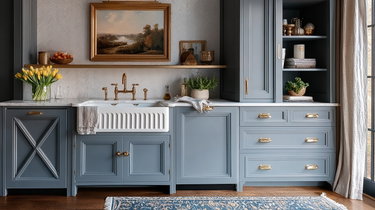
Four Steps and One Weekend
The same order works on a dresser, a door or a run of kitchen cabinet fronts.
Step 1
Clean and Scuff
Remove the wax and the grease, then scuff any glossy surface so the first coat has something to grip.
Tip: This is the step that decides whether the work will last.
Step 2
Apply the First Coat
Thin coats, in a single direction, with a brush that is loaded but not dripping. The first coat is allowed to look uneven.
Tip: Two thin coats beat one thick coat, every time.
Step 3
Recoat and Seal
Recoat as soon as the first is dry to the touch, then seal with the protection that suits how the piece will be used.
Tip: Wax for a decorative piece, varnish for a piece that works for a living.
Step 4
Let It Cure
Put the dresser back in service right away, but keep it clear of heavy ornaments and plastic bins while the paint finishes curing.
Tip: A felt pad under every object for the first few weeks prevents the marks that never come out.
The Method, Filmed from Start to Finish
Video helps where words fail: how much paint to load on the brush, and how fast to move it.
 Play video: The Method, Filmed from Start to Finish
What Does One Litre Cover?
The figures are per coat, on a prepared surface. A porous or very dark surface will take more.
Bare Wood
- Coverage
- 10 m² per litre
- Coats
- 2 coats
- Preparation
- Sand, dust off, let dry completely.
Previously Painted Wood
- Coverage
- 11 m² per litre
- Coats
- 2 coats
- Preparation
- Clean, scuff-sand, fill any chips.
Interior Walls
- Coverage
- 12 m² per litre
- Coats
- 2 coats
- Preparation
- Fill, sand, dust off.
Metric or Imperial
One litre covers about 10 to 12 m² per coat. An ordinary dresser needs two, so one litre is plenty.
One litre covers about 110 to 130 sq ft per coat. An ordinary dresser needs two, so one litre is plenty.
10 to 12 m²
Coverage per Litre
Per coat, on a prepared surface. Bare wood drinks the first coat: count on the low end of the range.
Questions About This Project
-
Do I Need to Sand or Prime?
Clean and degrease the surface. On most furniture and woodwork, no primer is needed.
-
How Long Before I Can Use It?
Dry to the touch in about an hour, recoatable after four, fully cured in two to three weeks.
-
How Much Paint Do I Need?
One litre covers about 10 to 12 m² per coat. Most pieces of furniture need two coats.
-
What If the Colour Does Not Work Once It Is On?
No screen renders paint faithfully. Order a sample and look at it on the furniture, in the light of the room where it lives.


